
What Is Cloud Storage and How Does It Work? A Beginner’s Guide?
Understanding what is cloud storage and how does it work? A beginner’s guide is essential for managing digital life in an era where we constantly create photos, documents, and videos. At its core, cloud storage allows you to save data to an off-site system maintained by a third-party provider, rather than keeping it solely on your local computer or phone.
This shift means your files are accessible from anywhere with an internet connection, providing both convenience and a vital backup layer. By learning how these services manage your information, you can make smarter choices about protecting your digital assets and ensuring you never lose a precious memory again.
Defining Cloud Storage in Simple Terms
Cloud storage is essentially the practice of keeping your digital files on remote servers instead of your local device’s hard drive. When you upload a photo to a service like Google Drive or iCloud, you aren’t storing it on your phone anymore. Instead, you are sending a copy over the internet to a massive, secure data center managed by a company.
Think of it as renting a digital locker in a high-security facility. You hold the key to that locker through your account credentials, and you can access it from any device that can reach the internet. Because the files live on the provider’s hardware, they remain safe even if your laptop crashes or your smartphone is stolen.
This accessibility is the primary reason for the technology’s popularity. You no longer need to carry around USB drives or worry about syncing cables between your devices. As long as you have a stable connection, your documents, music, and images follow you wherever you go.
The Mechanics Behind Data Transmission
When you decide to save a file to the cloud, a specific process occurs to ensure the data reaches its destination intact. Your device first breaks the file into smaller, manageable chunks of data. This is often necessary because large files can be unstable when sent over varying internet speeds.
These chunks are then encrypted, which acts as a digital shield against unauthorized access. Once the data is encrypted, the software transmits these packets across the internet to the provider’s server farm. The provider then reassembles these pieces into the original file format on their storage systems.
This process happens in the background, usually within seconds, depending on your upload speed. The service provider then maintains multiple copies of your data across different physical locations. This redundancy ensures that if one server fails, your files remain perfectly preserved on another.
The Four Primary Types of Storage
Not all cloud environments serve the same purpose for every user. Developers and businesses often categorize storage architectures based on how data is managed and retrieved. Understanding these categories helps clarify why certain services feel faster or more organized than others.
- Object Storage: Ideal for unstructured data like photos and videos, where each file is stored as a distinct object with metadata.
- File Storage: Mimics the folder structure on your personal computer, making it intuitive for storing documents.
- Block Storage: Splits data into equal-sized blocks, providing high performance for demanding applications.
- Cold Storage: A cost-effective solution for data you rarely need to access but must keep for long-term records.
These distinctions matter because they dictate how your information is indexed. For a typical user, file storage is the most common experience, as it mirrors the familiar desktop environment. Meanwhile, object storage powers the backend of services like Netflix, where high-speed retrieval of media is paramount.
Security Measures Protecting Your Files
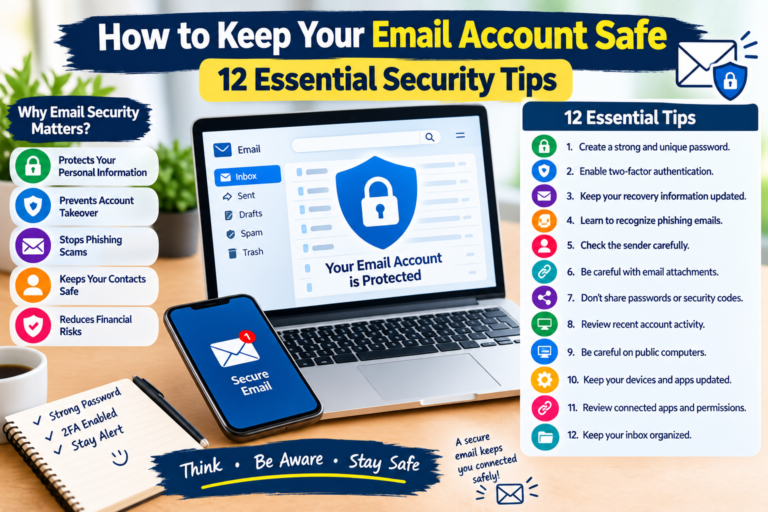
Security is the biggest concern for anyone moving personal data to the cloud. Providers use a concept known as encryption to scramble your data so that it remains unreadable to anyone without your specific decryption key. This happens both while the file is traveling over the internet and while it sits idle on the server.
Many services also implement multi-factor authentication to bolster your account defenses. This requires a second form of verification, such as a code sent to your phone, before you can access your files. Even if a hacker discovers your password, they cannot reach your data without that secondary confirmation.
You should also look for providers that offer end-to-end encryption. In this model, only you have the key to decrypt your files, meaning even the company hosting the storage cannot see your content. This level of privacy is a gold standard for sensitive documents and personal information.
Comparing Common Storage Solutions
Choosing the right service depends on your ecosystem. If you are deeply integrated into a specific brand, their native solution often provides the most seamless experience. However, third-party providers often offer better cross-platform compatibility for those who mix and match devices.
| Service | Best For | Free Tier |
|---|---|---|
| Google Drive | Google Workspace Users | 15 GB |
| iCloud | Apple Ecosystem | 5 GB |
| Dropbox | File Sharing | 2 GB |
| OneDrive | Windows Integration | 5 GB |
The free storage limits listed above are subject to change by the providers. It is common for these companies to offer upgrades or bundles with other services. Always verify the current terms before committing your data to a long-term plan.
The Trade-offs of Cloud Services
While the benefits of convenience and backup are clear, there are drawbacks to consider. Reliance on the internet is the most obvious limitation. If your connection is down, you may lose access to your most important files unless you have enabled offline mode.
Privacy concerns also persist for some users who are uncomfortable with a third party hosting their personal information. While encryption is strong, you are ultimately trusting the provider to maintain their security standards. You are also subject to the company’s terms of service, which can change over time.
Cost is another factor, especially as your data needs grow. While free tiers are generous, they fill up quickly when you start storing high-resolution videos. You might eventually face a monthly subscription fee to keep your digital life growing in the cloud.
What Happens When You Stop Paying
Many users worry about the fate of their data if they decide to cancel their subscription. Providers typically have a grace period where your data remains accessible in a read-only state. This allows you time to download your files and migrate them to another solution.
If you don’t take action after the grace period, the provider will eventually delete your files to free up space. This is a permanent action, so it is vital to keep track of your billing cycles. Some services will send multiple warnings to your registered email address before the final deletion occurs.
Always maintain a secondary backup of your most critical files on a physical hard drive. Never rely on a single cloud service as your only source of truth. A hybrid approach of cloud convenience and local control is the safest way to manage your digital assets.
Frequently Asked Questions
Can you explain cloud storage in a simple way?
Think of it as a virtual hard drive that exists on the internet instead of inside your computer. You upload your files to this remote location, which allows you to log in from any device to view or edit them, keeping your data safe even if your physical computer breaks.
Do I really have to pay for cloud storage?
Most providers offer a free tier with a limited amount of space, which is often enough for basic documents and a few photos. If you need to store large amounts of high-definition video or professional projects, you will likely need to pay for a premium subscription to get more capacity.
What is the biggest downside of cloud storage?
The biggest limitation is the requirement for an active internet connection to access your files. If you are in a remote area without service, or if your provider experiences a technical outage, you may temporarily lose access to your stored data.
What happens to my data if I stop paying for my account?
Your account will typically be downgraded to the free tier, and you may be locked out of uploading new files until you clear space. After a specific period of inactivity or non-payment, the provider reserves the right to delete your data permanently to reclaim their storage space.
Managing Your Digital Future
Understanding what is cloud storage and how does it work? A beginner’s guide is the first step toward taking control of your digital footprint. By leveraging these tools, you can ensure your files are backed up, organized, and accessible whenever you need them.
Whether you are backing up family photos or managing work documents, these services provide a robust safety net for your information. Start by auditing the files you currently have on your devices and identifying which ones are most important to protect.
From there, choose a provider that fits your workflow and security preferences. Your digital life is a valuable asset, so take the time to set up your storage strategy today and enjoy the peace of mind that comes with knowing your data is secure.