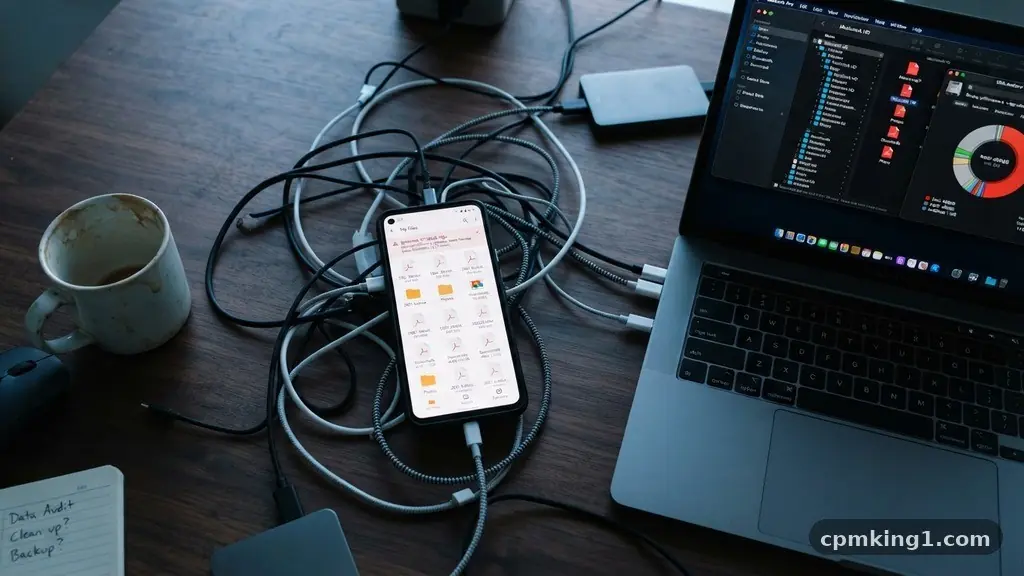
Managing duplicate files across multiple devices is a common challenge that often leads to wasted storage space and significant confusion. When you rely on laptops, smartphones, and cloud storage, files inevitably multiply, making it difficult to identify the master version of your important documents. By implementing a systematic approach to digital hygiene, you can reclaim your storage space and ensure your data remains organized.
Following a practical guide to managing duplicate files across multiple devices allows you to streamline your workflow and avoid the frustration of hunting for the right photo or report. This article provides a clear, actionable path toward achieving a clean and efficient digital environment.
Assessing the Scope of Digital Clutter
Before you start deleting files, you need to understand the scale of your digital clutter. Many people assume they only have a few stray documents, but once they start digging, they often find thousands of redundant copies buried in obscure folders.
Start by identifying the primary repositories where your data lives. This usually includes your local computer hard drive, any external hard drive you use for backups, and your various cloud storage accounts.
A common mistake is attempting to clean everything at once without a plan. If you jump into your cloud storage while simultaneously trying to organize your local folders, you might accidentally create new sync errors. Instead, pick one primary device to serve as your “source of truth.”
Work outward from there, identifying which folders are active and which are just archives. You might find that you have three versions of the same project folder across three different devices, each with slightly different files inside.
Take note of the file system hierarchy you currently use. Is it logical, or is it a chaotic mess of “new folder” and “copy of” labels?
By mapping out your storage environment first, you prevent the panic of accidental deletion. You will gain a much better sense of why certain files were duplicated in the first place, often pointing to poor habits in how you save work or move files between platforms.
Standardizing Your File Synchronization Strategy
Effective file synchronization is the cornerstone of keeping your data clean. If you use multiple services to sync your files, you are likely creating data redundancy without realizing it.
For example, if you have both Dropbox and OneDrive running on your machine, you might be saving files to both, effectively doubling your storage footprint instantly. The goal is to choose one primary method for syncing your active working files across your devices.
A frequent error is allowing background sync services to automatically download everything to every device. If you have a massive photo library, you probably don’t need all those images on your lightweight laptop. Most modern sync services allow for “on-demand” or “online-only” files.
This feature keeps your file system hierarchy intact while only downloading the content you actually need to open. This saves massive amounts of space and reduces the likelihood of creating local duplicates.
When you centralize your sync strategy, you also minimize the risk of cloud sync conflicts. These conflicts occur when two devices edit the same file simultaneously, forcing the service to create a “conflicted copy.”
By keeping your workflow linear—editing on one device at a time—you keep your file structure clean. Remember that sync is not the same as backup; treat your sync folder as your active workspace and keep your long-term storage separate.
Choosing the Right Tools for Deduplication
Manually searching for duplicates is a losing battle. You need reliable deduplication software to do the heavy lifting for you. These tools work by using advanced logic to compare files, rather than just looking at names.
A high-quality duplicate file finder will use a checksum algorithm to compare the actual data content of two files. This ensures that even if one file is named “Report_Final” and the other is “Report_Final_Copy,” the software recognizes them as identical data.
Be cautious when selecting these tools. Avoid free software that comes bundled with suspicious installers or invasive advertisements. Look for established utilities that offer a trial version so you can test their accuracy before committing.
A good tool will let you preview the file contents, check the file path, and compare metadata analysis, such as creation dates and file sizes. This level of detail is vital when you are dealing with sensitive documents or family photos.
A major pitfall is trusting the software blindly. Even the best algorithms can sometimes flag files that look identical but have subtle differences.
Always review the selection before you hit the “delete” button. Most reputable tools offer a “safe list” or “ignore” feature that allows you to protect specific system folders or important application directories from being scanned or modified.
Implementing a Consistent Naming Convention
One of the most effective ways to prevent future duplication is to change how you name your files. When your file names are descriptive and consistent, you are far less likely to create a new version of a document just because you forgot where you saved the original.
Adopt a standard format, such as YYYY-MM-DD_ProjectName_Version. By including a date, you create a natural sort order that makes finding the most recent version instantaneous.
Many people fall into the trap of using vague labels like “Final” or “Revised.” These labels become meaningless after a few weeks, leading you to create “Final_v2” and “Final_v3” as you keep working.
Instead, use version numbers that increment sequentially. If you find yourself with five versions of a single document, archive the older four into a dedicated “Archive” folder and keep only the latest version in your active workspace.
Consistency matters across all your devices. If you use a specific naming structure on your desktop, apply that same logic to the files you save from your tablet or phone.
This habit reduces the mental load of organizing your digital life. When your file system hierarchy is predictable, your brain stops treating it like a mystery, and you spend less time searching for lost work.
Managing Cloud Storage and External Drives
External hard drive storage often becomes a graveyard for duplicate files. Because these drives are usually detached from your main system, they don’t benefit from the automatic sync processes that keep your cloud folders clean.
Periodically plugging in these drives and running a scan is a necessary maintenance step. You might find that you have backed up your entire computer to three different external drives over the years, wasting terabytes of space.
When dealing with cloud storage, consider the impact of storage optimization features. Many cloud providers offer tools to compress or offload data that hasn’t been accessed in a long time.
These features are great, but they can sometimes mask the presence of duplicates. Always check your cloud storage settings to ensure you aren’t paying for extra space that is being occupied by redundant versions of the same data.
A common mistake is treating your cloud storage as a “trash can” where you dump files to clear space on your computer. This just shifts the problem to the cloud. Instead, treat your cloud storage as a structured library.
If you don’t need a file, delete it permanently rather than moving it to a hidden cloud folder. For more on the technical aspects of data management, you can refer to the National Institute of Standards and Technology guidance on data management practices.
Performing Byte-by-Byte Comparisons
When you are dealing with important data, a simple file name match isn’t enough. You need to ensure that the files are truly identical down to the last bit. This is where a byte-by-byte comparison is essential.
This method goes deeper than metadata analysis, which can sometimes be faked or altered by different operating systems. By checking the binary data, you guarantee that you are deleting exact copies.
This process is particularly important for high-resolution media like video files or RAW photography assets. These files are massive, and keeping duplicates can fill up an entire drive in minutes. A byte-by-byte scan is slower than a standard search, but it is the only way to be 100% certain that you aren’t deleting a file that might have been subtly edited or corrupted.
One mistake to avoid is running these deep scans while your computer is busy with other intensive tasks. A byte-by-byte comparison is resource-heavy and can slow down your system significantly.
Run these scans overnight or when you are away from your desk. Always ensure your device is plugged into a power source, especially if you are scanning a large external drive or a network-attached storage device.
Establishing a Regular Maintenance Schedule
Managing duplicates isn’t a one-time project; it is a maintenance habit. Just like you clean your home, you need to clean your digital workspace.
Set a recurring reminder in your calendar to spend thirty minutes once a month running your deduplication software and checking your primary folders. This prevents the “clutter creep” that happens when we are busy and saving files haphazardly.
Consider your file system hierarchy during these sessions. Is there a folder that is consistently full of duplicates? Perhaps your “Downloads” folder is the culprit, or maybe a shared project folder where team members keep uploading the same assets.
Identifying the source of your duplicates helps you fix the root cause. If you find that a specific folder is always messy, create a rule to clear it out every Friday.
Don’t let perfectionism stop you. You don’t need to have a pristine, perfectly organized system to be effective. The goal is to reduce the noise so you can find what you need quickly.
If you have a few stray files that aren’t perfectly named, don’t sweat it. Focus on the big folders and the large files that take up the most space. Over time, these small, consistent efforts will create a much more manageable digital life.
Frequently Asked Questions
Can I safely delete files that have the same name but different dates?
Not necessarily. Different dates often indicate that a file has been modified, even if the name remains the same. Before deleting, always check the file content or metadata to see if one is a newer version of the other. If they are truly different, keep the most recent one and archive the rest.
Does using deduplication software put my system files at risk?
Reputable software is designed to avoid critical system folders. However, you should always check the settings to ensure “System” or “Application” files are excluded from the scan. Never delete files from your Windows or macOS system folders unless you are an advanced user who knows exactly what you are doing.
How do I handle duplicates across different cloud accounts like Google Drive and iCloud?
Cross-platform file management is tricky because these services don’t talk to each other. The best approach is to consolidate your files into one primary cloud provider. If you must use multiple, keep your folders strictly separated by category so that you don’t have overlapping content, which makes manual comparison easier.
Is there a way to prevent duplicates from being created in the first place?
The best prevention is a disciplined filing structure. Avoid dragging and dropping files randomly. Instead, use a “master” folder for each project and save files directly into their final destination. If you frequently move files between devices, use a single cloud sync service as your bridge, which handles versioning automatically.
Final Thoughts
Mastering your digital space is a rewarding process that provides clarity and peace of mind. By following a practical guide to managing duplicate files across multiple devices, you move from a state of chaotic storage to a streamlined, efficient system. Start small by identifying your main repositories and running a scan on your primary machine.
Once you feel comfortable, expand your efforts to include your cloud accounts and external drives. Remember that consistency is more important than speed; a little bit of maintenance each month prevents the buildup of digital clutter.
Take control of your data today, and enjoy the freedom of a clean, organized, and responsive digital workspace. If you have questions about specific tools or strategies, feel free to reach out and share what has worked for your unique workflow.